The Work
Celik worked both halves of a detect-then-prevent programme for cancer.
What Worked
The published lung-cancer model reached ROC AUC 0.865, beating the two leading tools (0.806 and 0.774) and flagging risk more than five years before diagnosis.
What Has Been Achieved
On detection, he helped optimise and validate a model, that predicts lung cancer more than five years ahead from a 14-protein blood signature, published in Cell. On prevention, he built classical, deep-learning and foundation models over 20 million-plus single-cell profiles to surface transcription factors that steer healthy cells toward malignancy, narrowing 1000-plus candidates to 82 genes now being tested in-vivo. If experiments succeed, this would uncover novel mechanisms on how lung cancer starts, paving the way for preventative treatments.
What Was Learned
Even with nearly 20 TB of single-cell data, models struggled to learn representations that generalised, a sign biology still resists current AI architectures.
About
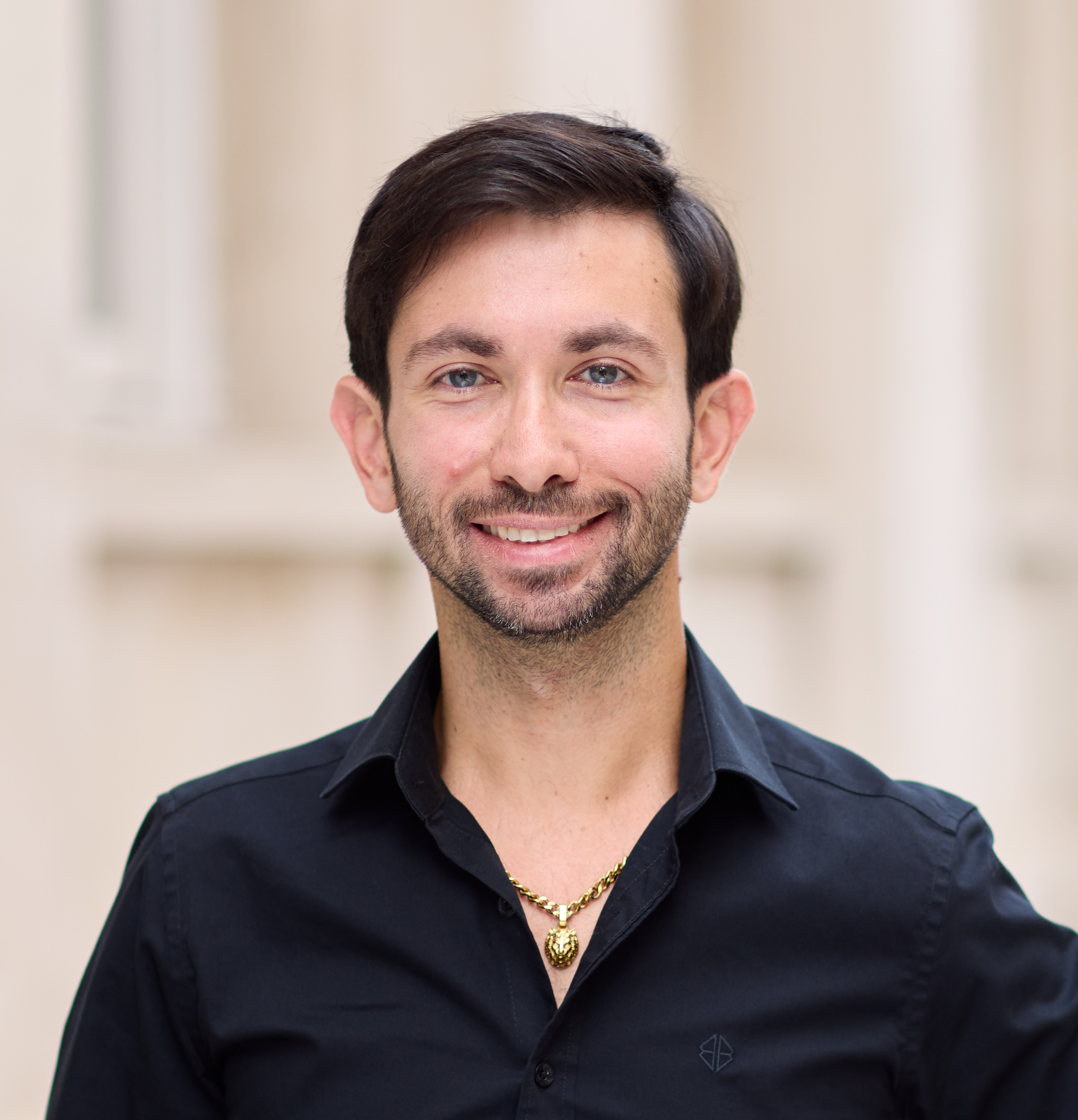
Alpkaan holds a BA in Applied Math from Harvard, where he was the Head Teaching Fellow. He worked in technology and AI for 10 years, most recently at Meta where he was a Machine Learning Engineer in the Health Tech team. Previously, he led Data Science and Machine Learning teams in various startups. Alpkaan has also spent time as an EIR at Entrepreneur First.
Lab & Advisors
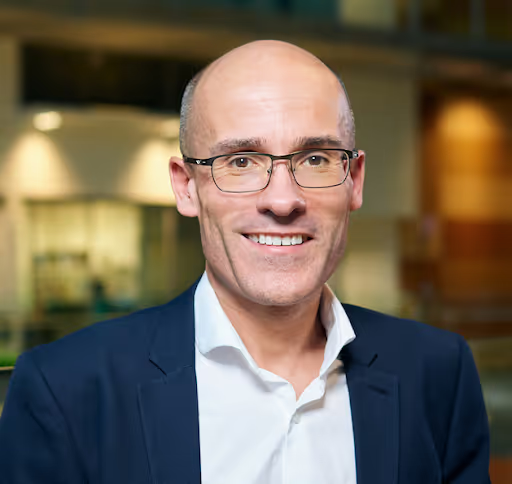
Charlie Swanton
The Francis Crick Institute
Professor, Deputy Clinical Director
Professor Charles Swanton, FRCP BSc PhD, is a clinician scientist dedicated to understanding and addressing the challenges of cancer evolution. He completed his PhD at the Imperial Cancer Research Fund Laboratories as part of the UCL MBPhD programme and later trained as a CRUK-funded postdoctoral clinician scientist. Charlie is an active clinician, as well as leading the CRUK TRACERx clinical study on lung cancer evolution and co-directs the CRUK Lung Cancer Centre of Excellence. He has published over 210 papers in leading journals, contributing key insights into intratumour heterogeneity and cancer evolution. His work has revealed mechanisms driving cancer initiation resistance, and treatment failure, including the role of air pollution, genome instability, HLA loss, and APOBEC-mediated mutagenesis. He is an elected Fellow of the Royal Society and has previously attracted over >$175m USD in commercial funding to support Achilles Therapeutics and $100m USD investment from AstraZeneca to support the MeRmaiD minimal residual disease phase 3 clinical trials. Previous accolades include the Stand Up to Cancer Translational Cancer Research Prize, the GlaxoSmithKline Biochemical Society Prize, and the Massachusetts General Hospital Cancer Centre Kraft Prize. Charles serves as the Cancer Research UK Chief Clinician and holds a Napier Professorship in Cancer from the Royal Society.