The Work
Noori built AI systems spanning discovery to deployment.
What Worked
A PROTON-nominated drug reversed proteomic alterations in bipolar patient-derived human brain organoids, ATHENA-R1 outperformed GPT-5 at drug reasoning, and the MedLog consortium now includes 53 institutions across 11 countries.
What Has Been Achieved
PROTON, a relational foundation model that generates neurological hypotheses tested in molecular screens, organoids, and health records; ATHENA-R1, an agent for treatment reasoning evaluated in 5.4 million patient records; and MedLog, a protocol for logging medical AI deployed across four health systems and nearly 1 million patients.
What Was Learned
AI did not establish causal treatment effects or replace validation; predictions still required validation in the wet lab or clinic.
About
Ayush is a Rhodes Scholar at the University of Oxford and also holds an MS in Computer Science and BA in Computer Science and Neuroscience from Harvard. Ayush seeks to develop AI technologies that expand the frontier of personalized diagnostic and therapeutic possibility for neurological disorders and other challenging medical conditions. He has published over 30 papers in journals such as Cell, Nature Neuroscience, Nature Machine Intelligence, Nature Aging, and npj Digital Medicine.
Lab & Advisors
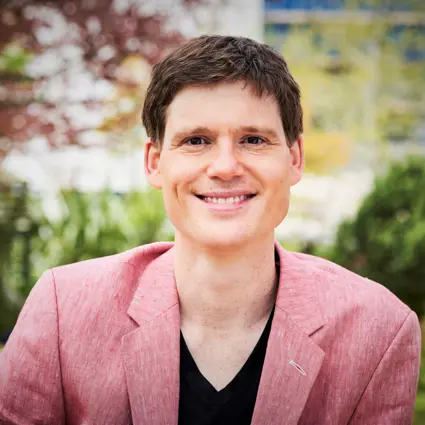
David Clifton
University of Oxford
Royal Academy of Engineering Chair of Clinical Machine Learning in the Department of Engineering Science of the University of Oxford, and NIHR Research Professor
Professor David Clifton is the Royal Academy of Engineering Chair of Clinical Machine Learning at the University of Oxford, and leads the Computational Health Informatics (CHI) Lab which focuses on "AI for Healthcare". His research has been commercialised via university spin-out companies OBS Medical, Oxehealth, Biobeats, Sensyne Health, and Marley Health in addition to collaboration with multinational industrial bodies. His research has won over 40 awards; he is a Grand Challenge awardee from the UK Engineering and Physical Sciences Research Council, which is an EPSRC Fellowship that provides long-term strategic support for nine "future leaders in healthcare." He founded two AI spin-out companies in 2024-25 via Oxford University Innovation.