The Work
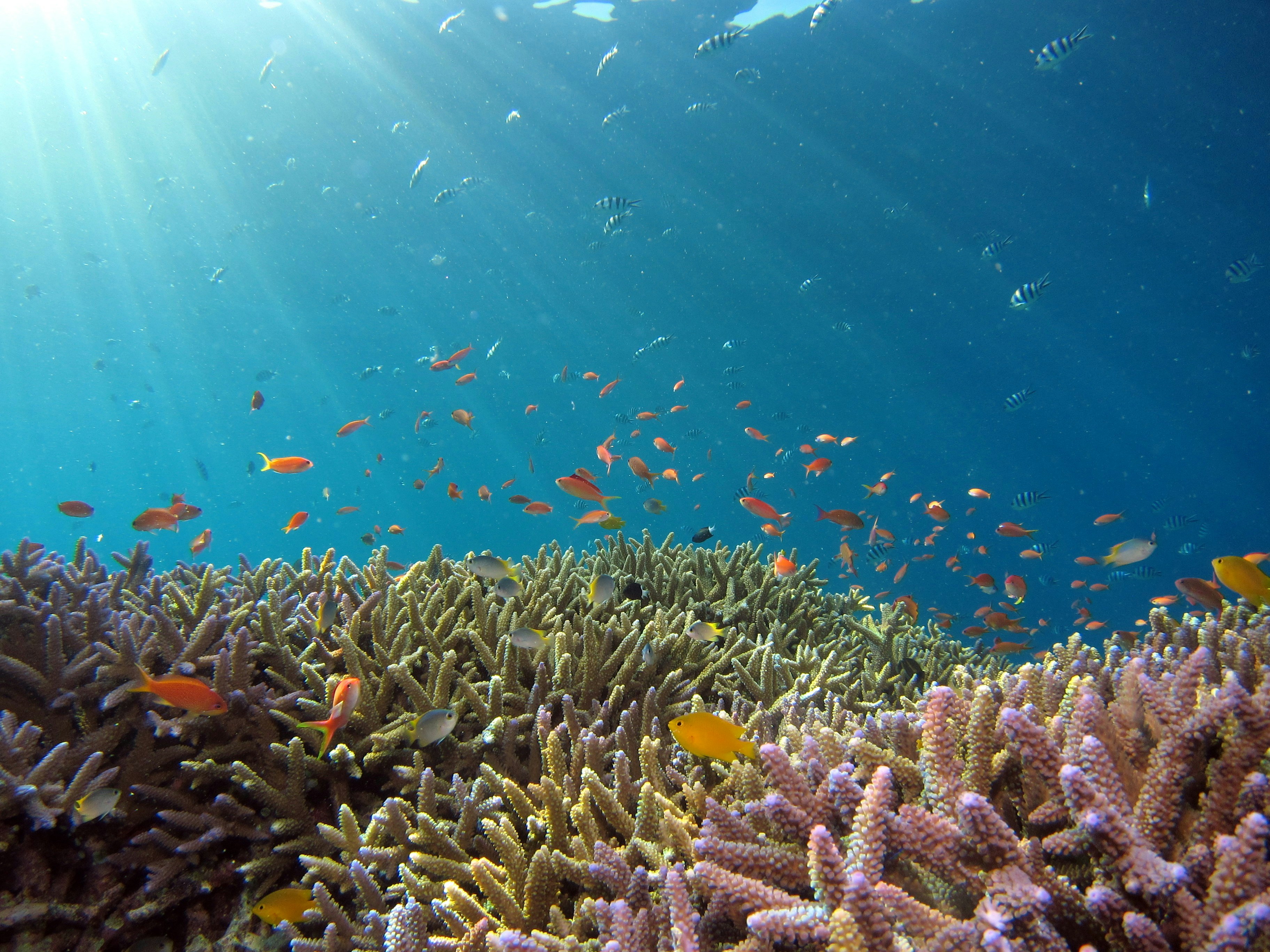
Williams built an end-to-end pipeline that turns large underwater image sets into lightweight, interactively renderable 3D models of seabed habitats, sidestepping the dense point-cloud stage of conventional photogrammetry and cutting the 3D reconstruction time of a reef from over a week to under twelve hours.
What Worked
The pipeline made habitat-scale 3D reconstruction tractable, a reef in under twelve hours instead of a week, with structure-from-motion registering 99.75% of images.
What Has Been Achieved
He then layered on a plain-English search prototype that embeds imagery, segments requested concepts, and projects them into the 3D scene, demonstrated across truck, town and reef scenes.
What Was Learned
Off-the-shelf models could not reliably segment specialised reef terms from text alone, though a single expert click fixes the mask, pointing to human-in-the-loop rather than full autonomy.
About
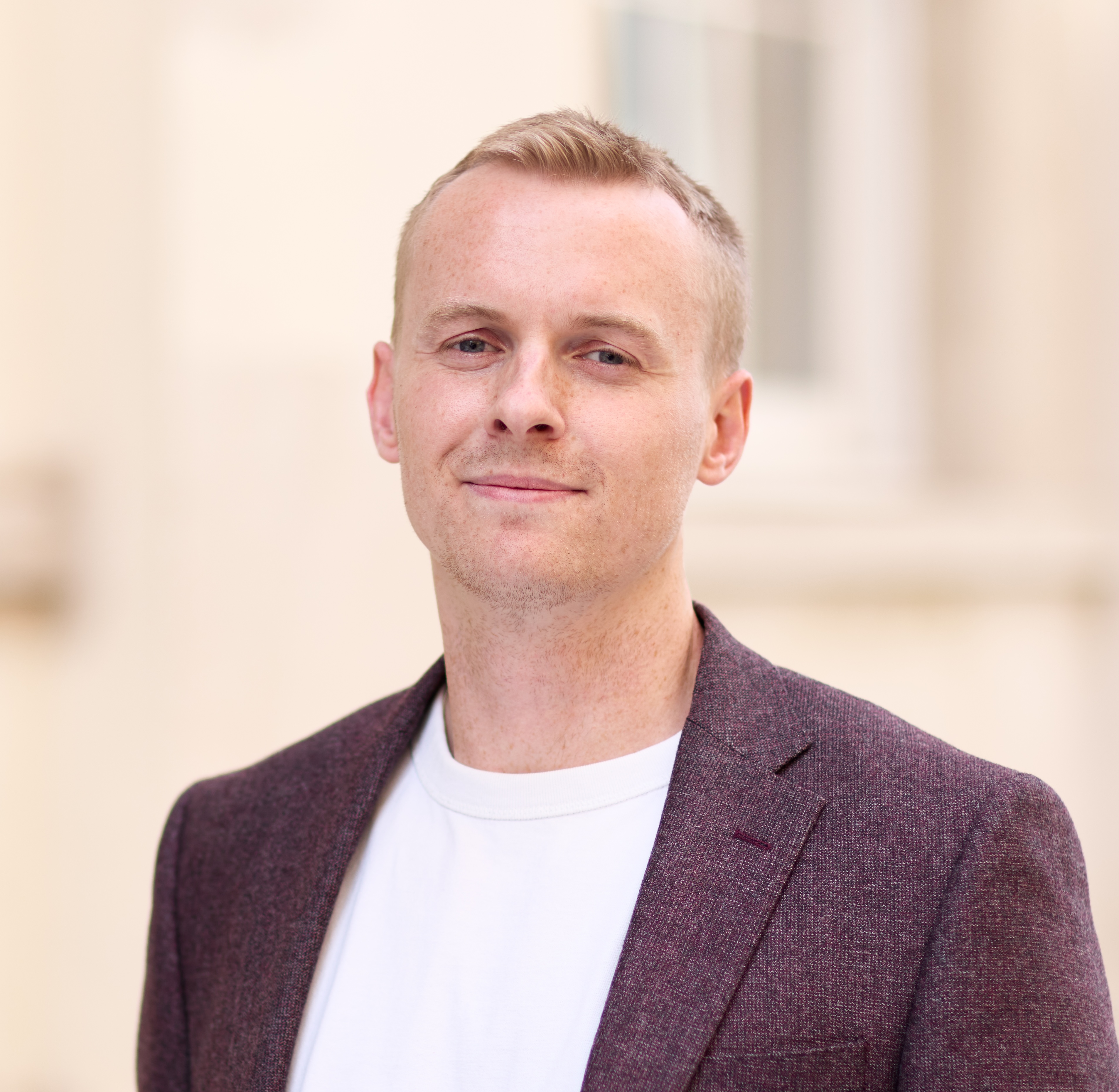
Ben holds a PhD in Marine Sciences from UCL, and has extensive field experience, having completed 300 scientific dives and over 18 months spent on expedition. Ben has won numerous awards, been showcased in several magazines and articles, and given a TEDx Talk on "How AI is helping transform coral reef conservation."
Lab & Advisors
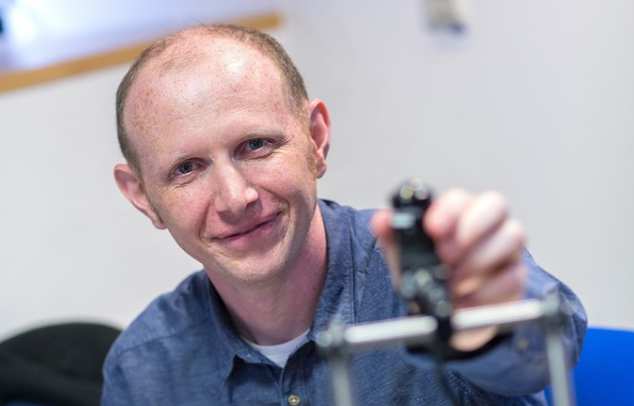
Andrew Davison
Imperial College London
Professor of Robot Vision at the Department of Computing, Imperial College London
Andrew Davison holds the position of Professor of Robot Vision at the Department of Computing, Imperial College London, and leads the Dyson Robotics Laboratory at Imperial College, working on vision and AI technology for next generation home robotics. He also lead the Robot Vision Research Group.